44 BCE
Rome. The Ides of March.
Senators who say they are saving the Republic stab Gaius Julius Caesar to death. “Caesar” is just his family name.
The empires, scriptures and ideas of the last five thousand years are still running under the world you live in. The Historian lets you see the lines, follow them across centuries, and ask about anything you find.
Workers in the Sinai scrawl an early alphabet. It travels north to the Levant.
Pick up one small thing. Follow it until it reaches you. Scroll to draw the line.
He was stabbed in 44 BCE. His family name kept ruling for two thousand years.

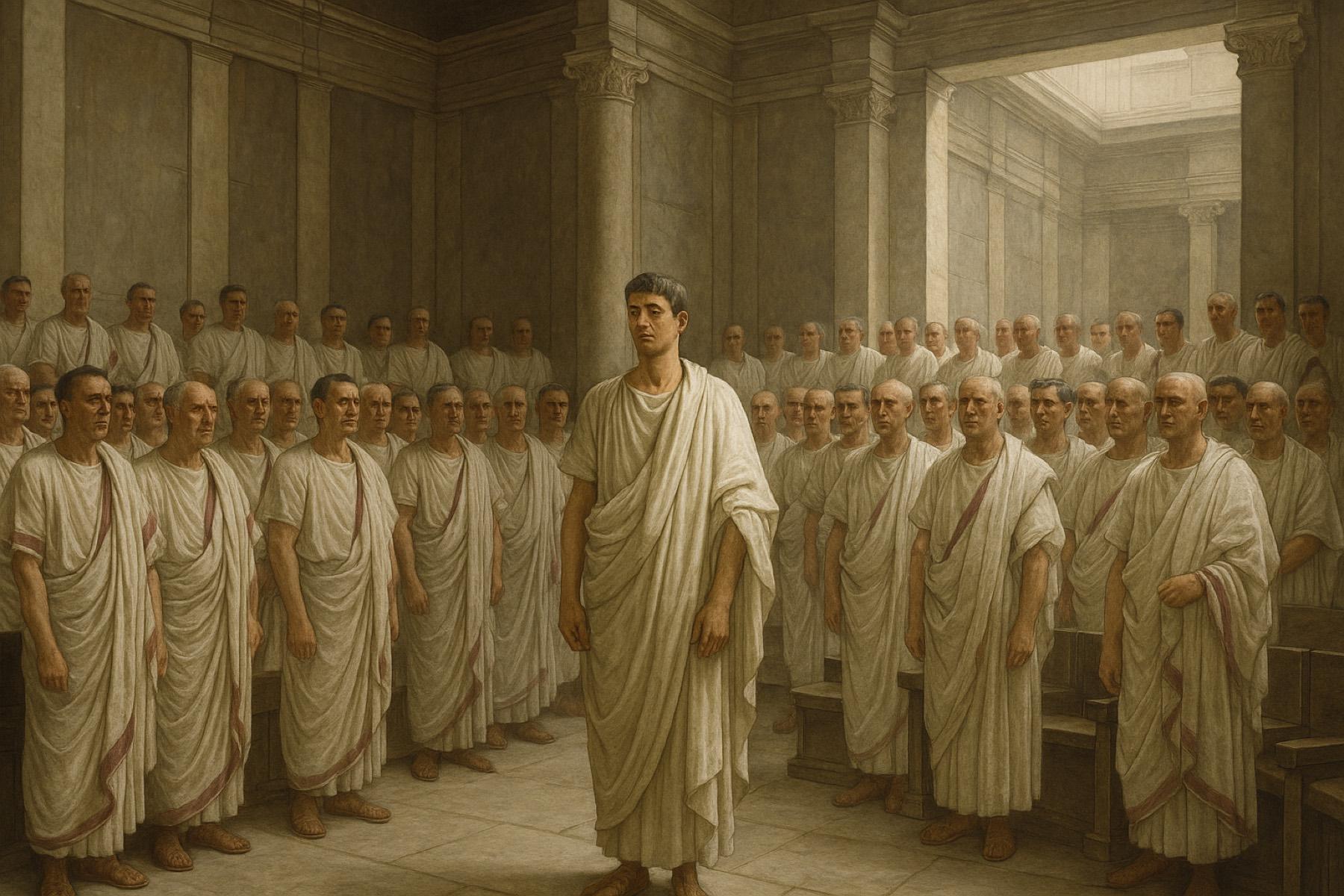
Senators who say they are saving the Republic stab Gaius Julius Caesar to death. “Caesar” is just his family name.
His adopted son Octavian wins the civil wars and rules as Imperator Caesar Augustus. The name has become an argument: I am the rightful one.
Nero, the last of the dynasty, dies. Emperors with no blood tie go on calling themselves Caesar anyway. It is a job title now.
Ivan IV takes the Slavic form of the word. German lands already use their own: Kaiser. Two of Europe’s great thrones now carry a dead Roman’s surname.
Nicholas II abdicates in March 1917. Wilhelm II follows in November 1918. The war ends the great Caesars of Europe within twenty months of each other.
Simeon II was crowned tsar of Bulgaria at six years old and driven out at nine. In 2001 he became the country’s elected prime minister. A man who had carried Caesar’s name, more than two thousand years on, was answering questions in parliament.
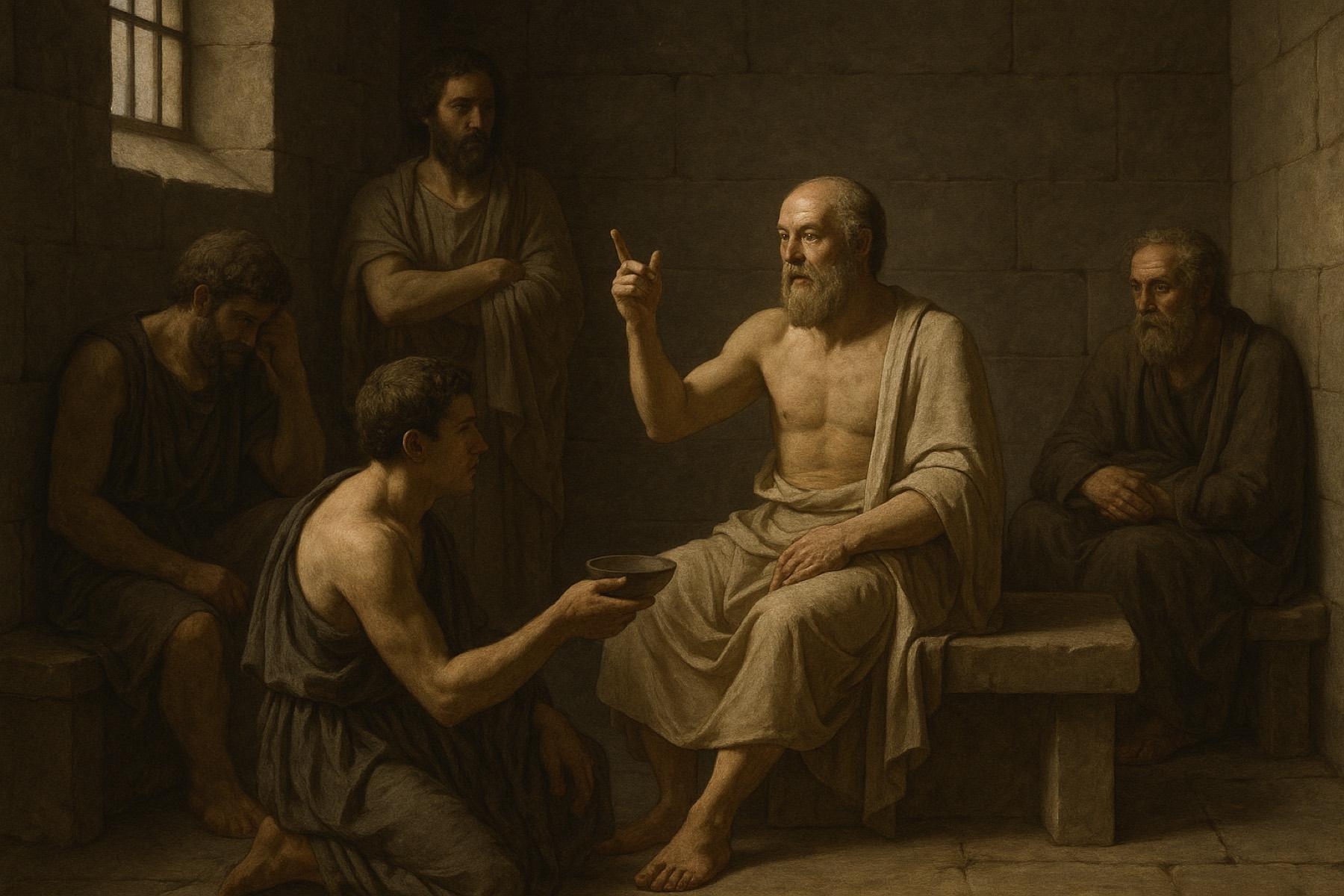
A jury of his neighbors has condemned him to death. His friends have arranged an escape. He won’t take it.
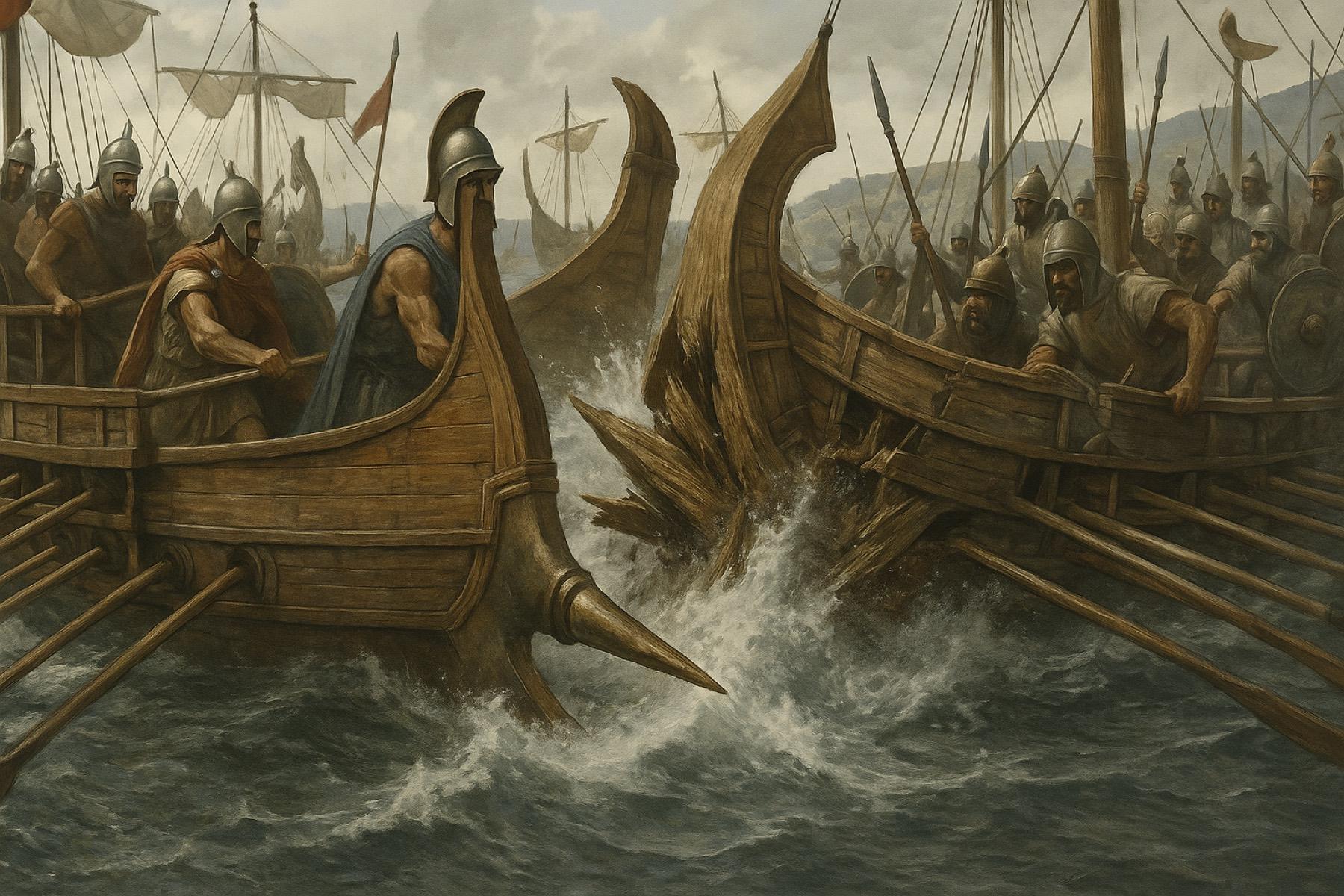
Their families are on the island behind them. The largest fleet they have ever seen is rowing into the narrows ahead.
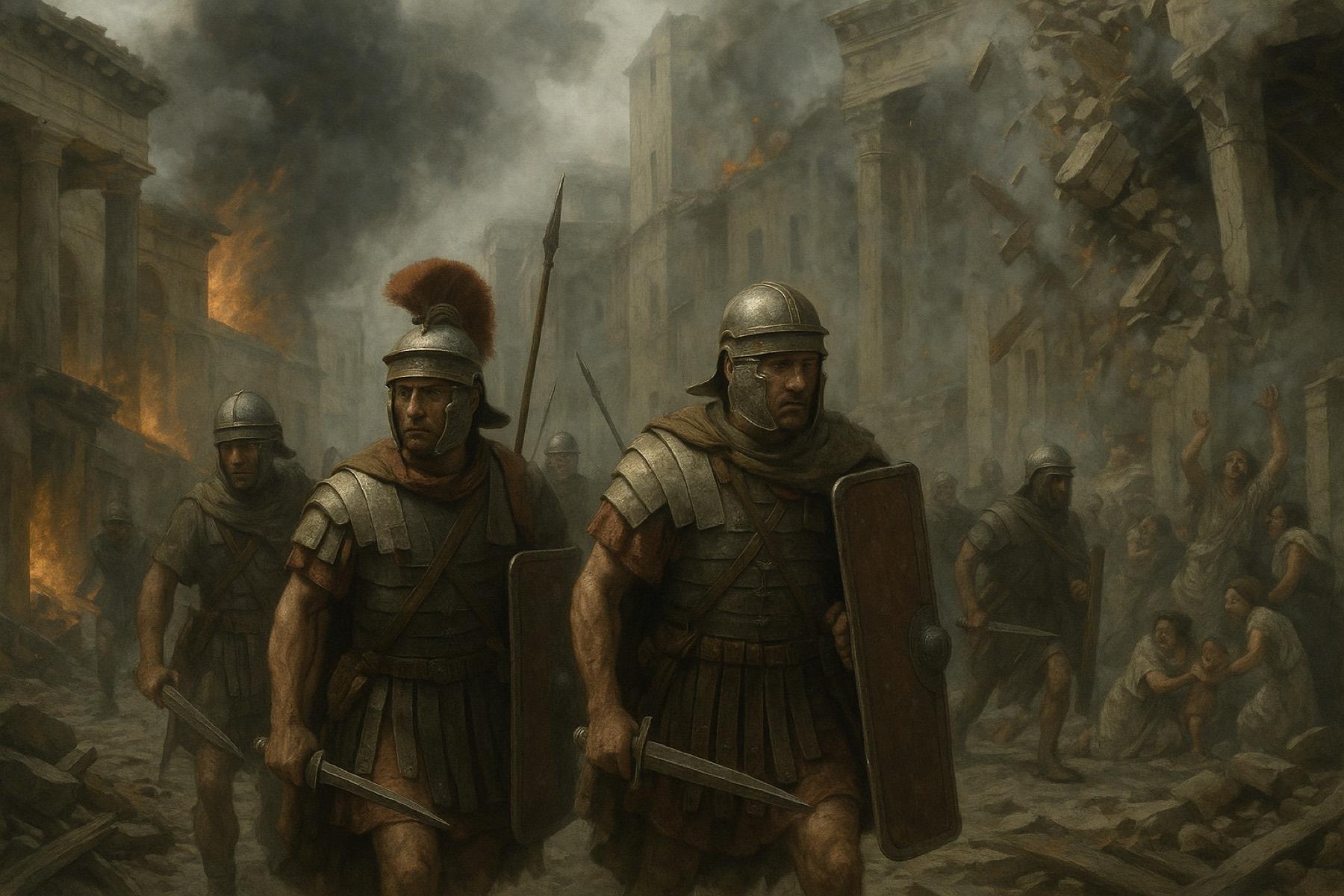
Then the fire. A witness reports that the Roman commander wept as it burned, and quoted Homer, wondering if Rome would one day get the same.
No flattery and no agenda. The Historian tells you what’s documented, what’s legend, who wrote it down and why, and where serious scholars still disagree.
Five thousand years of people, powers and ideas, in one connected record.
Everything happening at once. Who else was alive when Socrates died?
The map at that moment: borders, routes, and what was moving along them.
Stand where it happened. Read the source. Ask what it meant.
Civilizations on a living map, with seven kinds of connection between them: trade, religion, philosophy, language, law, science and war.
People, powers, places and events in one database, linked by who taught whom and what led to what, across centuries.
Primary sources you can turn the pages of: the Constitution annotated, the fall of the Roman Republic, and a book for each of the world’s faiths, scripture first.
A guide who walks all of it with you, with a voice of its own. It separates fact from legend and tells you when historians disagree.
We’re building it now. The world existed before you got here. It can wait a little longer.